Primo Levi’s Narrative Structure
Levis account unfolds in tight‚ reflective scenes‚ each paragraph a micro‑study of camp life. He interlaces personal memory with factual detail‚ using concise language that mirrors the brutal economy of survival. The narrative’s rhythm echoes the camp’s relentless cadence. Its flow mirrors camp’s harsh beat
Narrative Techniques in ‘Survival in Auschwitz’
Levi’s account is a meticulous mosaic of memory and observation‚ each fragment a deliberate choice that mirrors the camp’s own fragmentation. He employs a linear‚ almost journalistic chronology that allows readers to trace the erosion of identity alongside the physical decay of the barracks. The prose is sparse‚ yet each sentence is dense with meaning‚ a technique that forces the reader to confront the brutality without the distraction of ornate language. Levi interweaves first‑person testimony with objective description‚ creating a dual perspective that balances the subjective horror with the objective facts of the Holocaust. His use of repetition—of the word “survival” and the image of the “red flag”—serves to underscore the relentless struggle for existence. The author also uses a subtle‚ almost imperceptible humor‚ a psychological defense that keeps the narrative from becoming a monolithic tragedy. He frequently breaks the narrative flow with brief‚ almost lyrical interludes that reflect on the nature of memory‚ the ethics of testimony‚ and the role of the writer. These interludes are not merely decorative; they function as a meta‑commentary on the act of recording history. The structure is therefore a layered narrative: a linear progression punctuated by reflective digressions‚ a balance between the immediacy of experience and the weight of historical context. This technique allows Levi to maintain a sense of agency in the face of dehumanization‚ while also preserving the authenticity of the survivor’s voice. The result is a text that is at once a personal memoir‚ a historical document‚ and a philosophical meditation on the limits of language in describing atrocity. The PDF version of the book preserves this structure‚ enabling readers to navigate the text in a non‑linear way that reflects memory’s fragmentation‚ while also providing hyperlinks that mirror the original layout‚ preserving Levi’s structure and reflecting memory’s fragmentation. The format supports annotations‚ making testimony accessible for scholars !!…
Historical Context of Auschwitz
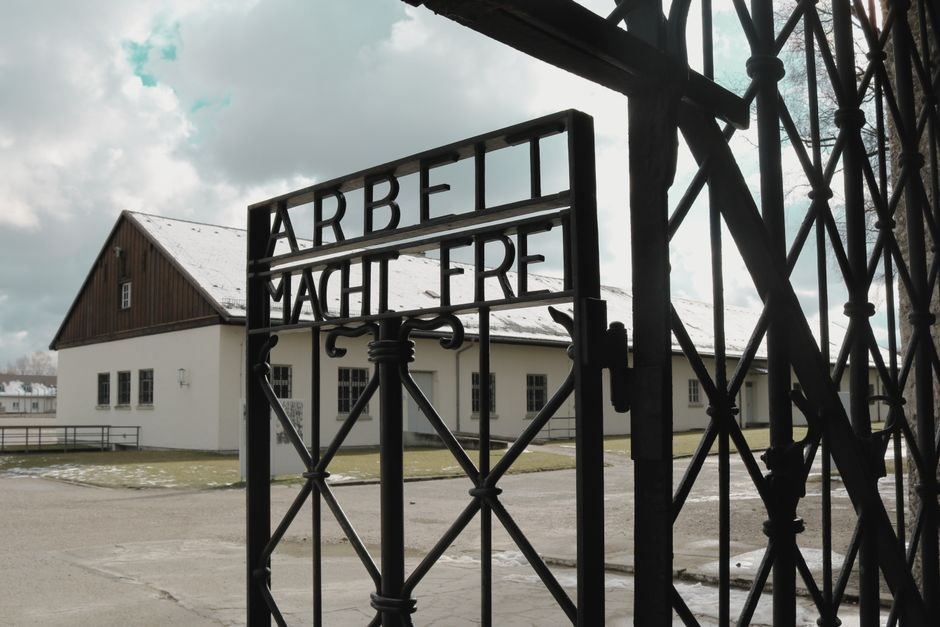
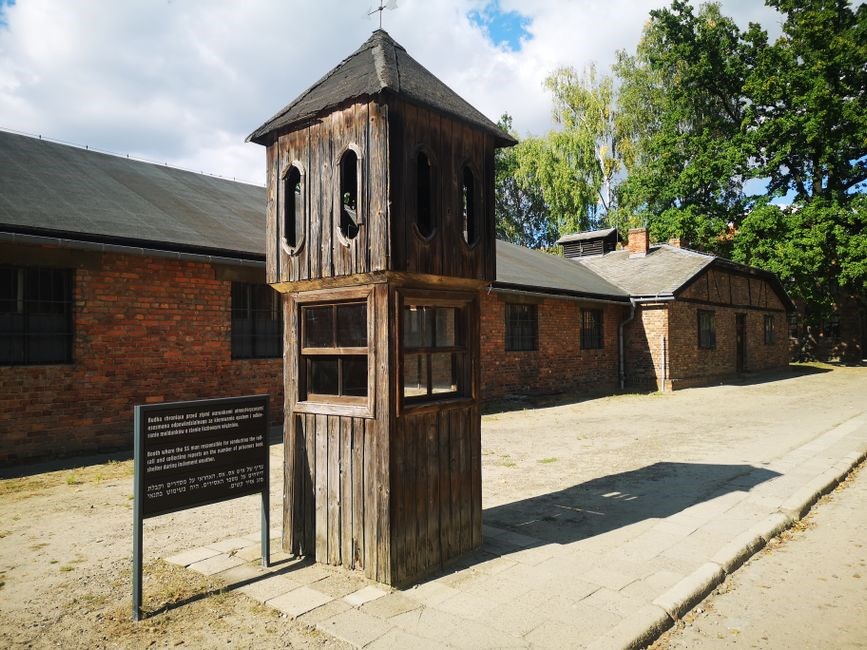
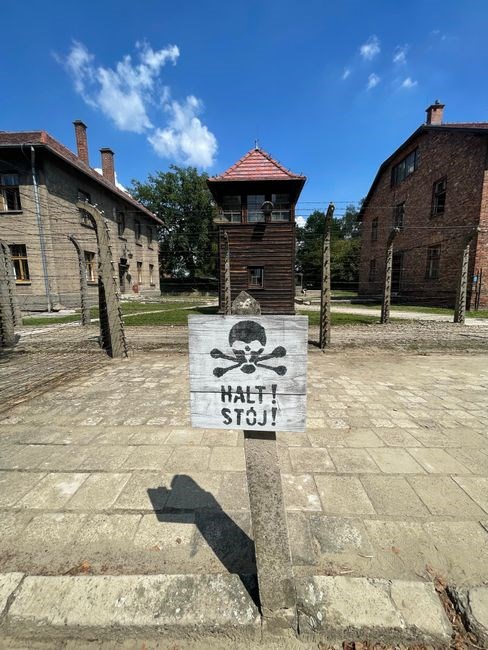
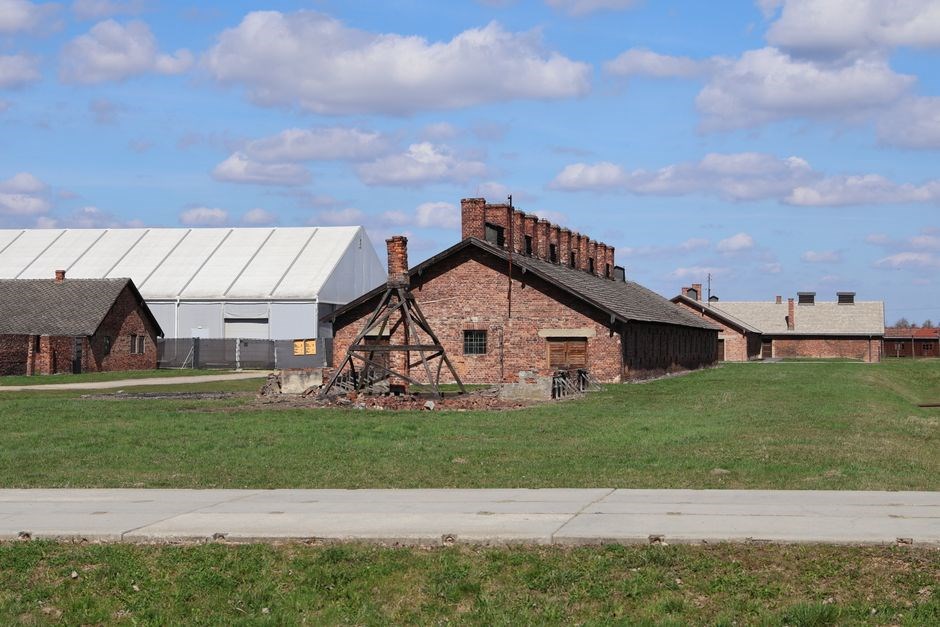
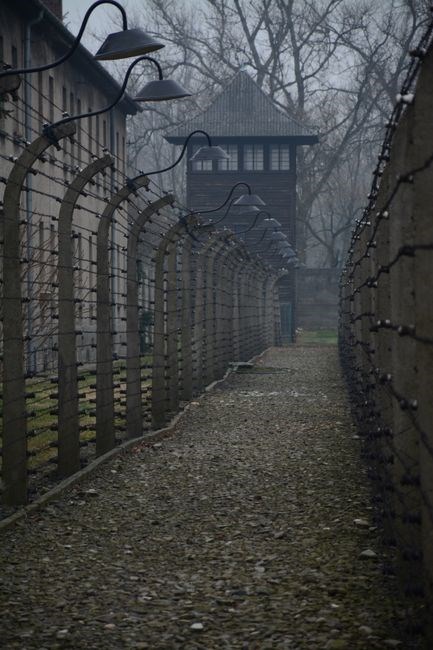
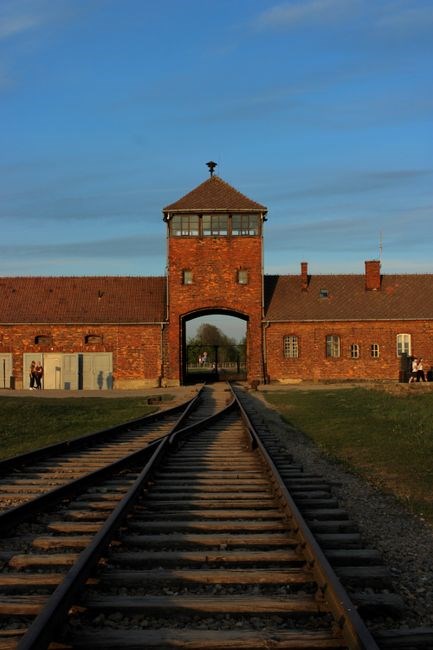
Auschwitz‚ founded in 1940‚ evolved from a labor camp into the largest extermination site. Its brutal regime combined forced labor‚ starvation‚ and systematic murder‚ reflecting Nazi ideology. The camp’s transformation illustrates extreme dehumanization and the scale of atrocity. The camp’s history a reminder.!
Auschwitz‚ founded in 1940‚ evolved from a labor camp into the largest extermination site. Its brutal regime combined forced labor‚ starvation‚ and systematic murder‚ reflecting Nazi ideology. The camp’s transformation illustrates extreme dehumanization and the scale of atrocity. The camp’s history a reminder of the horrors inflicted upon millions during the darkest chapter of human history‚ a testament to the resilience of those who endured its relentless cruelty and the enduring need to remember and learn from this profound tragedy.
Survivor Testimonies in PDF Format
Survivor accounts are freely downloadable in PDF from the Internet Archive. Primo Levi’s “Survival in Auschwitz” is available as a PDF‚ as are many other testimonies. These PDFs preserve the original text‚ allowing researchers to study the language and details of survival. Scholars find PDFs on the Holocaust.
Availability of PDFs on Online Archives
Digital repositories have made the preservation of Holocaust testimonies more accessible than ever; The Internet Archive hosts a vast collection of PDFs‚ including Primo Levi’s “Survival in Auschwitz‚” which is available in both English and Italian translations. Scholars can download the full text in PDF format without restriction‚ ensuring that the original language and formatting are preserved for academic study. In addition to Levi’s work‚ the archive contains PDFs of survivor narratives from other camps‚ such as “The Diary of Anne Frank” and “Night” by Elie Wiesel‚ providing comparative material for researchers. The PDFs are often accompanied by metadata that details publication history‚ edition‚ and rights status‚ allowing users to verify authenticity and usage rights. Many archives also offer the option to view the PDFs online‚ enabling quick reference without the need for a local PDF reader. For those who prefer print‚ the PDFs can be printed directly from the browser‚ ensuring that the physical copy retains the same layout as the digital version. Researchers can also use the archive’s advanced search features to locate PDFs by author‚ title‚ or keyword‚ making it easier to compile a comprehensive bibliography. The availability of these PDFs has democratized access to primary sources‚ allowing students‚ historians‚ and the general public to engage with firsthand accounts of survival. By providing a reliable digital format‚ archives help safeguard against loss‚ damage‚ or censorship‚ ensuring that the voices of survivors remain heard for.

Psychological Coping Mechanisms
Prisoners employed memory‚ routine‚ and humor to stave off despair. Levi notes that recalling pre‑camp life and sharing jokes provided mental refuge. Solidarity and small rituals—like passing notes—offered a sense of agency‚ helping inmates maintain identity amid dehumanization. Silence became a quiet weapon for us.
Mental Resilience Among Prisoners
Prisoners cultivated mental resilience through a triad of strategies: cognitive reframing‚ communal solidarity‚ and purposeful distraction. Cognitive reframing involved anchoring thoughts in the past and future‚ recalling pre‑camp identities‚ and envisioning post‑war reconstruction. This temporal anchorage provided a psychological buffer against the present brutality. Communal solidarity manifested in shared rituals—such as the clandestine exchange of letters‚ the spontaneous singing of old songs‚ and the collective maintenance of hidden gardens. These acts reinforced a sense of belonging and mutual protection‚ mitigating isolation. Purposeful distraction took the form of intellectual pursuits: prisoners memorized passages from literature‚ engaged in clandestine debates‚ and taught one another practical skills like metallurgy or cartography. Such activities diverted attention from suffering and fostered a sense of agency. Additionally‚ the practice of “mental rehearsal”—visualizing escape routes or future success—served as a coping mechanism that kept hope alive. The combination of these strategies enabled individuals to endure extreme deprivation while preserving a fragile sense of self. Research indicates that those who engaged in multiple coping modalities exhibited higher post‑traumatic growth and lower incidence of depression. Thus‚ mental resilience among Auschwitz inmates was not a passive state but an active‚ adaptive process rooted in memory‚ community‚ and purposeful thought. Their fortitude quietly defied the camp’s cruelty..
Food and Nutrition in the Camp
Camp rations were minimal: a thin‚ watery soup‚ a loaf of stale bread‚ and occasional meat scraps daily. Prisoners improvised by scavenging moldy vegetables‚ hunting rats‚ and trading labor for extra food. Survival hinged on rationing‚ sharing‚ and relentless ingenuity.
Diet and Survival Strategies
In Auschwitz‚ the official diet was a thin broth‚ a single slice of bread‚ and a meager portion of meat or beans once a week. Prisoners realized survival depended on more than the official rations. They cultivated informal exchanges‚ trading labor for extra bread or a handful of beans. Food shortages forced inmates to develop creative methods of supplementing meals: scavenging moldy vegetables‚ hunting rats and insects‚ and turning them into protein sources. The most effective strategy involved meticulous rationing: each gram of food was weighed against daily caloric needs‚ and portions were divided among family units or small groups to maximize endurance. Prisoners also used limited resources to preserve food‚ drying meat scraps or fermenting bread to extend shelf life. Over time‚ these tactics evolved into a complex system of mutual aid‚ where the exchange of favors and information about food sources became as vital as the food itself.
- Daily ration: 250 g bread‚ 200 ml broth‚ 30 g meat/beans.
- “Kommando” labor often granted extra rations.
- Barter networks: labor for bread‚ bread for meat scraps.
- Food preservation: sun‑drying‚ fermentation‚ salt‑curing.
- Shared knowledge: mapping hidden vegetable patches.
Survivors documented the use of “mushroom” as a metaphor for hidden nourishment: a small‚ often overlooked source of calories harvested from the forest floor during brief excursions. The collective memory of these tactics was preserved in notebooks‚ diaries‚ and oral histories‚ many digitized into PDF format for academic study. Researchers analyze these documents to reconstruct the daily nutritional calculus that kept inmates alive‚ revealing a hidden economy of survival beneath the regime’s brutal façade. These PDFs are crucial for study!
Medical Conditions and Treatments
In Auschwitz‚ rampant typhus‚ dysentery‚ and tuberculosis thrived amid overcrowding. Inmates endured medical experiments‚ while the SS offeredminimal care—scarce antiseptics‚ injections and forced “treatments” like bloodletting. Survival hinged on improvised remedies.
Disease Prevalence and Care
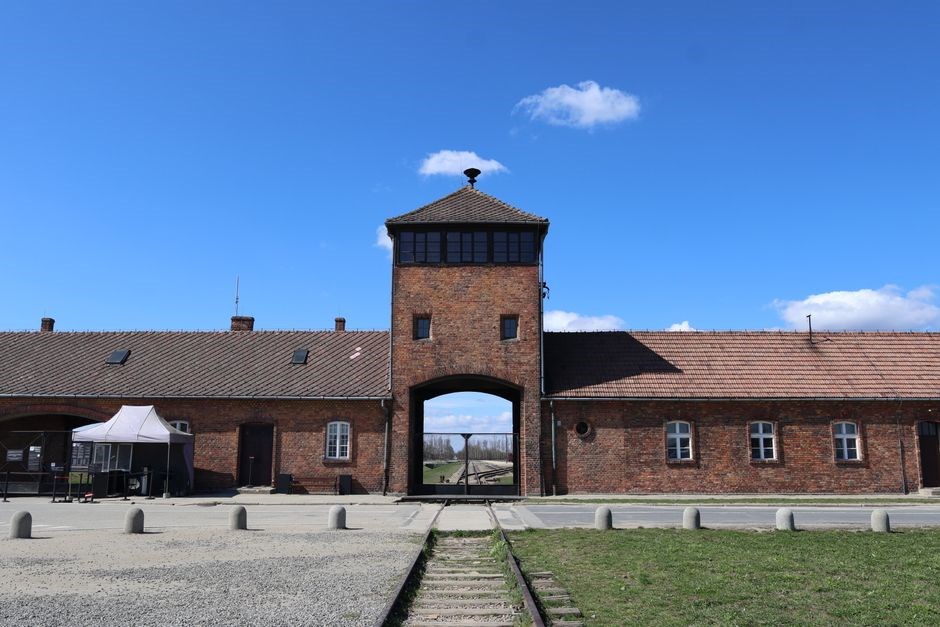
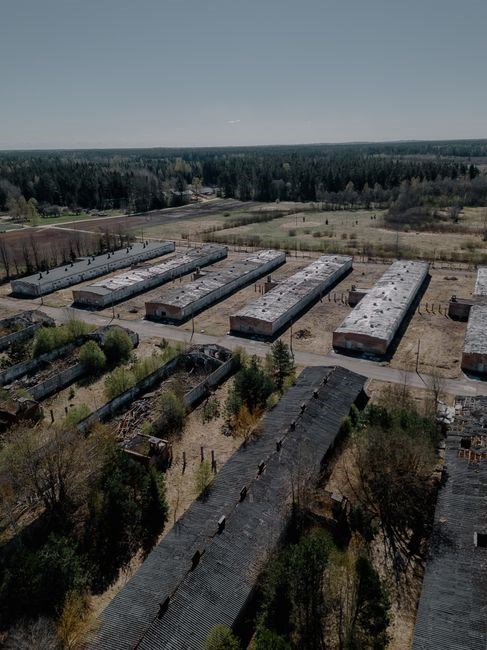
In the overcrowded barracks of Auschwitz‚ disease spread like wildfire‚ fueled by unsanitary conditions‚ malnutrition‚ and the relentless march of the SS. Typhus‚ carried by lice‚ claimed thousands‚ while dysentery and cholera erupted in the cramped latrines. Tuberculosis‚ a silent killer‚ thrived in the damp‚ cold environment‚ often going untreated due to the camp’s brutal prioritization of labor over health. Inmates resorted to makeshift remedies: crushed herbs‚ boiled water‚ and the occasional ration of vitamin‑rich bread. The SS offered minimal medical care‚ limited to a handful of doctors and a small‚ poorly stocked infirmary. Treatments were often experimental or punitive; prisoners were subjected to bloodletting‚ forced injections‚ or the infamous “treatments” that involved the use of unsterilized instruments. The scarcity of antibiotics and antiseptics meant that even minor wounds could become fatal. Survival depended on a combination of luck‚ the ability to secure better food‚ and the occasional kindness of a sympathetic guard or fellow inmate. The psychological toll of constant illness‚ coupled with the fear of sudden death‚ eroded hope‚ yet the human spirit found ways to endure through shared knowledge of medicinal herbs‚ the sharing of scarce resources‚ and the relentless pursuit of small comforts in a world that sought to strip them away. Despite brutality‚ some prisoners organized clandestine book exchanges‚ sharing forbidden literature that offered hope and humanity for hope!.
Post-War Impact on Survivors
After liberation‚ survivors faced deep trauma‚ shattered families‚ and a society that often minimized their suffering. They channeled pain into testimony‚ literature‚ and activism‚ forging memorials and legal frameworks that honor truth and demand accountability. Their story inspire useums‚films‚ reforms!!!
Legal and Memorial Recognition
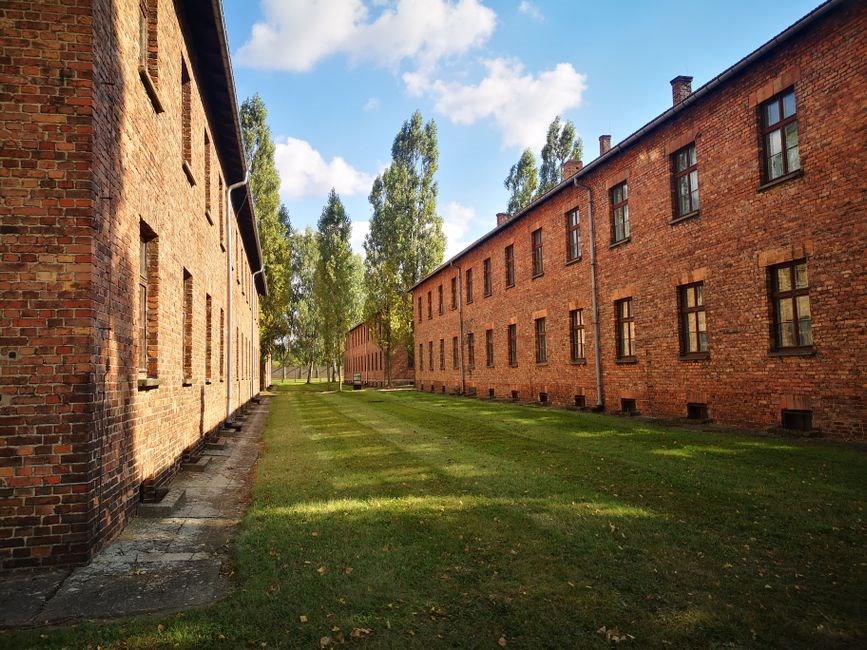
After the war‚ survivors of Auschwitz confronted a world that was often indifferent to their suffering. In the decades that followed‚ legal and memorial efforts emerged to confront the atrocities and honor those who endured them. The Nuremberg Trials set a precedent for prosecuting war crimes‚ establishing the principle that genocide and crimes against humanity would not go unpunished. However‚ many survivors found that justice was limited by political realities and the passage of time. In response‚ survivor groups formed to demand reparations‚ truth‚ and remembrance. The establishment of the Auschwitz‑Birkenau State Museum in 1947 provided a physical space for memorialization‚ preserving the camp’s ruins and artifacts. The museum’s exhibits‚ guided tours‚ and educational programs aim to keep the memory alive for future generations. In addition‚ the United Nations adopted the Genocide Convention in 1948‚ codifying the international community’s commitment to prevent and punish genocide. The Holocaust Remembrance Day‚ observed on January 27th‚ commemorates the victims and serves as a reminder of the consequences of hatred. In the United States‚ the Holocaust Memorial Museum in Washington‚ D.C.‚ opened in 1993‚ offering a comprehensive narrative of the Holocaust‚ including survivor testimonies‚ artifacts‚ and interactive exhibits. The museum’s “Survivors’ Stories” project collects oral histories‚ ensuring that personal accounts are preserved for posterity. In Europe‚ the German government has enacted laws to provide reparations to survivors and has established the German Federal Office for the Investigation of Nazi Crimes. Memorial plaques‚ street names‚ and monuments across Germany and Poland honor the victims and remind citizens of the past. The legal recognition of crimes committed at Auschwitz has also led to the prosecution of former SS officers and camp officials‚ even decades after the war. The 2013 trial of former Auschwitz guard Josef Mengele’s accomplices in Germany marked a significant moment in the pursuit of justice. The legal and memorial recognition of Auschwitz has evolved over time‚ reflecting the changing attitudes toward the Holocaust and the ongoing need to confront the past. These efforts have helped survivors find closure‚ provided a platform for education‚ and ensured that the atrocities of Auschwitz are not forgotten. The legacy of these initiatives continues to shape contemporary discussions about human rights‚ genocide prevention‚ and the moral responsibilities of societies worldwide. They inspire hope and healing!