
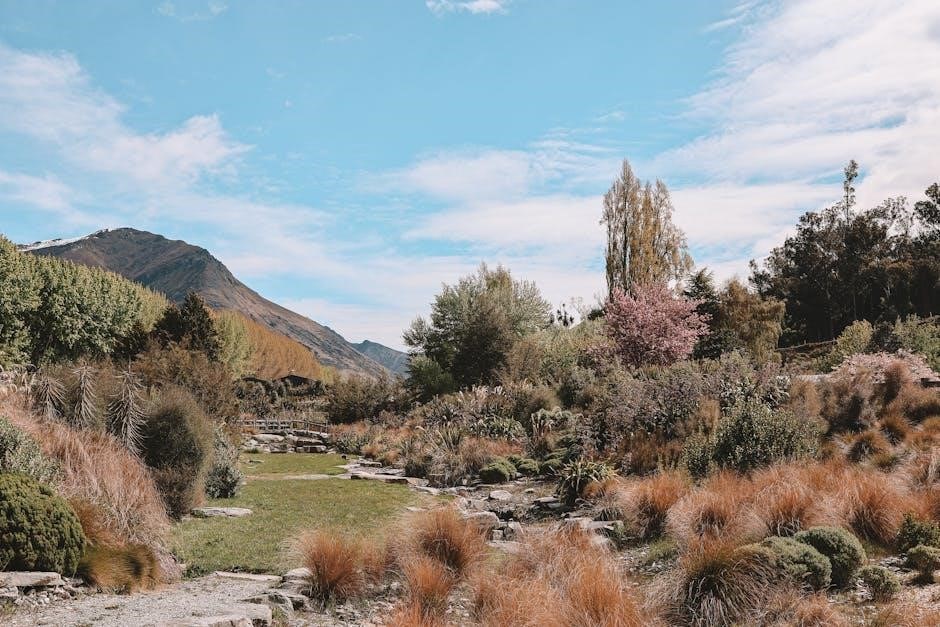
Discover the freedom of exploring New Zealand’s stunning landscapes at your own pace, embracing adventure through independently planned cycling journeys.
What are Self-Guided Bike Tours?
Self-guided bike tours offer a unique travel experience, blending the thrill of cycling with the independence of exploring at your own rhythm. Unlike traditional guided tours, you’re provided with detailed maps, route notes, and pre-booked accommodations, but you navigate and cycle independently. This allows for spontaneous detours and personalized exploration of New Zealand’s diverse scenery.
These tours cater to various fitness levels and preferences, ranging from leisurely coastal rides to challenging mountain trails. They typically include luggage transfer between accommodations, ensuring a comfortable journey. Essentially, you enjoy the benefits of a planned itinerary without the constraints of a group or a guide, fostering a deeper connection with the landscape and culture.
Why Choose New Zealand for Cycling?
New Zealand is a cyclist’s paradise, boasting breathtaking scenery, well-maintained trails, and a safe, welcoming environment. From the rolling hills of the North Island to the dramatic landscapes of the South, diverse routes cater to all abilities. The country’s commitment to outdoor recreation ensures excellent infrastructure, including dedicated cycleways like the ‘Great Rides’.
Furthermore, New Zealand offers a unique blend of adventure and tranquility. Explore geothermal wonders, pristine beaches, and majestic mountains, all while enjoying the freedom of two wheels. The relatively low population density means less traffic and more opportunities to immerse yourself in nature, making it ideal for self-guided exploration.
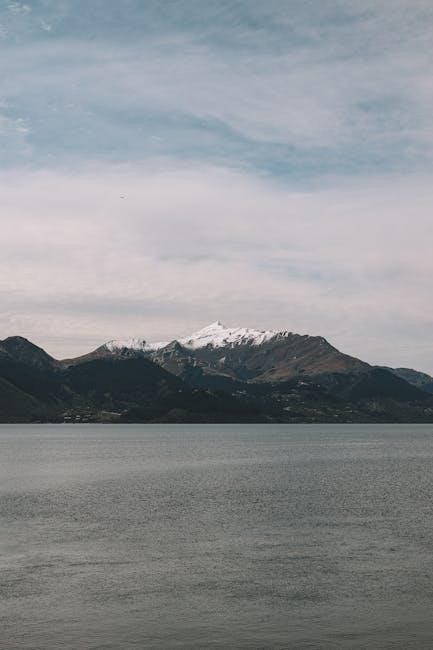
Popular Cycling Regions in New Zealand
Explore diverse terrains – from North Island’s geothermal areas to the South Island’s rugged coastlines and alpine trails, perfect for unforgettable bike tours.
North Island Cycling Routes
The North Island presents a captivating blend of volcanic landscapes, coastal beauty, and vibrant Māori culture, ideal for self-guided bike adventures. Cycle through Auckland and discover the picturesque Hauraki Gulf, enjoying island ferries and scenic coastal paths.
Venture to Rotorua, a thermal wonderland, where you can bike amidst geysers, bubbling mud pools, and redwood forests. Explore the rolling hills and farmland surrounding the region, immersing yourself in the unique geothermal environment. These routes offer varying levels of difficulty, catering to both leisurely riders and experienced cyclists. Consider incorporating visits to cultural sites and enjoying local hospitality along the way for a truly enriching experience.
Auckland and the Hauraki Gulf
Auckland’s diverse cycling terrain offers something for everyone, from urban explorations to coastal adventures. Explore the city’s cycle paths, parks, and waterfront areas, then venture east to the stunning Hauraki Gulf. Combine cycling with ferry trips to explore islands like Waiheke, known for its vineyards and beaches, or Rangitoto, a volcanic island with panoramic views.
Self-guided tours can be tailored to your fitness level, incorporating challenging climbs or leisurely coastal rides. Enjoy the region’s vibrant food scene and charming towns. Remember to factor in ferry schedules when planning your route, and be prepared for varied weather conditions. This region provides a fantastic introduction to New Zealand’s cycling possibilities.
Rotorua and the Thermal Wonderland
Rotorua presents a unique cycling experience, blending geothermal landscapes with thrilling mountain biking trails. Explore Whakarewarewa Forest, renowned for its world-class mountain bike network, catering to all skill levels. Discover Redwood Forest, offering stunning scenery and well-maintained paths for leisurely rides. Combine cycling with cultural experiences, visiting Māori villages and witnessing geothermal wonders like geysers and hot springs.
Self-guided tours allow you to customize your adventure, choosing trails based on your preference. Be mindful of the volcanic terrain and potential for changing weather. Rotorua’s distinct aroma and otherworldly landscapes create an unforgettable cycling journey, offering a truly immersive New Zealand experience.
South Island Cycling Routes
The South Island boasts dramatic landscapes ideal for self-guided bike tours. From the rugged West Coast to the serene Marlborough Sounds, diverse routes await exploration. Queenstown and Central Otago offer challenging climbs and rewarding descents amidst stunning alpine scenery. Abel Tasman National Park provides coastal trails with golden beaches and turquoise waters, perfect for relaxed cycling.
Consider the West Coast Wilderness Trail, a multi-day adventure through rainforests and historic gold mining areas. Planning is crucial due to varied terrain and potential weather conditions. The South Island’s scale demands careful route selection and preparation for an unforgettable cycling experience.
Queenstown and Central Otago
Queenstown, the adventure capital, and the historic Central Otago region present challenging yet rewarding cycling routes. Expect steep climbs rewarded with panoramic views of lakes, mountains, and vineyards. The Gibbston Valley Trail, known as the “Valley of the Vines,” offers a leisurely ride between wineries, perfect for sampling local Pinot Noir.
More experienced cyclists can tackle the Crown Range Road, New Zealand’s highest main road. Central Otago’s dry climate and rugged terrain demand preparation. Consider e-bikes for assistance. This region combines stunning scenery with opportunities for wine tasting and exploring gold mining history, creating a unique cycling experience.
Abel Tasman National Park
Abel Tasman National Park provides a coastal paradise for cyclists, blending golden beaches, turquoise waters, and lush native forest. The park’s relatively gentle terrain makes it suitable for various fitness levels, offering both on-road and off-road cycling options. Combine biking with kayaking or walking sections of the Abel Tasman Coast Track for a multi-activity adventure.
Bike rental and shuttle services are readily available, allowing you to easily access different parts of the park. Expect stunning coastal views and opportunities to spot wildlife. This region is ideal for a relaxed self-guided tour, immersing yourself in New Zealand’s natural beauty.
The West Coast Wilderness Trail
The West Coast Wilderness Trail presents a challenging yet rewarding experience for avid cyclists. This 135km trail traverses diverse landscapes, from rugged mountains and ancient rainforests to dramatic coastlines. Expect varied terrain, including gravel roads, bush tracks, and some sections on state highways, demanding a good level of fitness and appropriate bike choice.
Luggage transfer services are available, simplifying logistics for multi-day tours. Accommodation options range from comfortable lodges to rustic campsites. The trail showcases the raw beauty of the West Coast, offering a true wilderness adventure for self-guided bike explorers.
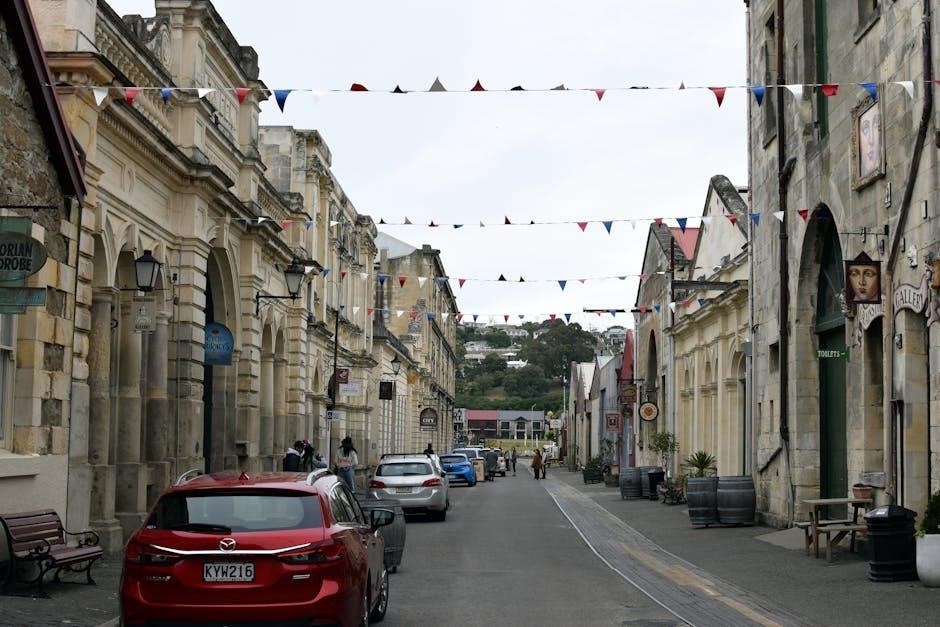
Planning Your Self-Guided Bike Tour
Careful preparation is key: establish a realistic budget, select a suitable bike, and arrange accommodations along your chosen New Zealand cycling route.
Setting a Budget
Establishing a clear budget is crucial for a successful self-guided New Zealand bike tour. Costs vary significantly based on your travel style and duration. Consider bike rental or purchase, accommodation – ranging from budget-friendly camping to comfortable hotels – and food expenses.
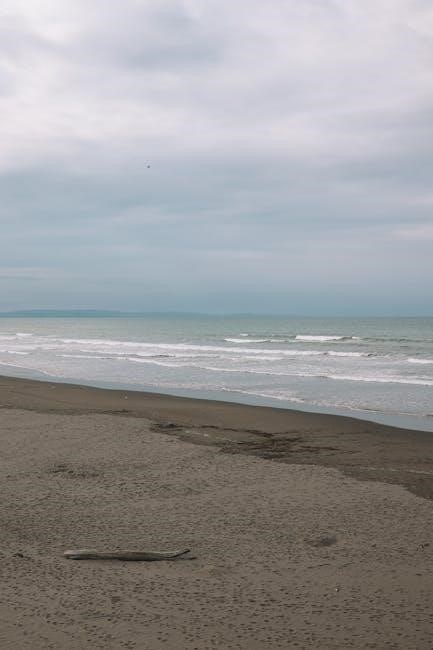
Factor in luggage transfer services if desired, and potential activity costs beyond cycling, such as penguin viewing in Otago. Allow for unexpected expenses and potential repairs. A daily budget of NZD $150-$300 per person is a reasonable starting point, but can be adjusted based on preferences. Pre-booking certain elements, like accommodation, can sometimes secure better rates. Remember to account for international flights and travel insurance as separate, significant costs.
Choosing the Right Bike
Selecting the appropriate bike is paramount for enjoying your New Zealand self-guided tour. Consider the terrain; gravel trails like the Otago Central Rail Trail demand a gravel bike or a mountain bike with suitable tires. For primarily paved routes, a touring bike or hybrid is ideal.
Rental options abound, offering various bike types. Ensure the bike is well-maintained and properly fitted. If bringing your own, factor in transport costs and potential repair challenges. E-bikes are increasingly popular, providing assistance on hills, but add to the budget. Prioritize comfort and reliability; a well-chosen bike transforms the experience, allowing you to fully immerse yourself in New Zealand’s breathtaking scenery.
Accommodation Options
New Zealand offers a diverse range of lodging to suit every cyclist’s preference and budget. Bike-friendly hotels & motels are plentiful, often providing secure bike storage and repair facilities. Booking in advance is crucial, especially during peak season.
For a more immersive experience, camping and holiday parks provide affordable options, often located near trails; These parks typically offer showers, kitchens, and laundry facilities. Consider the weight of camping gear if cycling. Luxury lodges and charming bed & breakfasts are also available for those seeking comfort. Pre-booking luggage transfer services simplifies logistics, allowing you to cycle unburdened.
Bike-Friendly Hotels & Motels
Numerous hotels and motels throughout New Zealand cater specifically to cyclists, understanding the needs of those on two wheels. These establishments frequently offer secure, dedicated bike storage, often indoors or in locked sheds, providing peace of mind. Many provide basic repair tools and even offer connections to local bike shops for more extensive maintenance.
Look for accommodations advertising ‘bike-friendly’ policies or those located conveniently close to popular cycling trails. Pre-booking is highly recommended, particularly during peak tourist seasons. Some offer packed lunches or early breakfast options to fuel your rides. Expect a slightly higher price point reflecting these specialized services.
Camping and Holiday Parks
New Zealand boasts a fantastic network of camping grounds and holiday parks, offering a budget-friendly alternative to hotels. Many are situated directly on or near cycling trails, providing convenient access for touring cyclists. Facilities vary, ranging from basic tent sites to fully equipped cabins with kitchens and bathrooms.
Expect secure bike storage options, often included in the camping fee. Some parks offer laundry facilities, communal kitchens, and BBQ areas. Booking in advance is essential, especially during summer and school holidays. Consider the weight you’re carrying – camping gear adds to your load! Holiday parks often provide a social atmosphere, perfect for sharing experiences with fellow travelers.
Essential Gear and Packing List
Prepare for variable conditions with layers, repair tools, and navigation aids; safety is paramount on New Zealand’s diverse terrain and weather patterns.
Clothing for All Weather
New Zealand’s weather is notoriously changeable, demanding versatile clothing for self-guided bike tours. Pack layers – a waterproof and windproof outer shell is crucial, alongside breathable base layers made of merino wool or synthetic fabrics. Include lightweight fleece or insulated jackets for cooler temperatures, especially in mountainous regions or during shoulder seasons.

Cycling-specific shorts with padding are essential for comfort on longer rides. Bring quick-drying shirts and consider cycling gloves for grip and hand protection. Don’t forget warm socks, a hat, and sunglasses. Even in summer, evenings can be cool, so pack a warmer jacket or sweater. Be prepared for sun exposure with sunscreen, and consider a cycling cap for added protection.
Bike Maintenance Tools
Self-sufficiency is key on a self-guided New Zealand bike tour, so carrying essential maintenance tools is vital. A multi-tool with Allen keys, screwdrivers, and a chain tool is a must-have. Pack tire levers, a spare inner tube (or two!), and a mini pump or CO2 inflator with cartridges. A puncture repair kit, including patches and glue, will save you time and hassle.
Consider bringing a chain lubricant and a rag for cleaning. A small adjustable wrench can be useful for various adjustments. Familiarize yourself with basic bike maintenance before your trip, such as changing a tire and adjusting brakes. Knowing how to perform these tasks independently will enhance your enjoyment and minimize delays.
Navigation and Safety Equipment
Reliable navigation is crucial for self-guided tours. A GPS cycling computer or a smartphone with offline maps is highly recommended. Carry a physical map as a backup, especially in remote areas. Prioritize safety with a well-fitted helmet, reflective clothing, and front and rear lights, even during daylight hours. A first-aid kit, including blister treatment, pain relievers, and antiseptic wipes, is essential.
A whistle can signal for help in emergencies. Consider a personal locator beacon (PLB) for venturing into truly isolated regions. Inform someone of your route and expected arrival times. Be aware of changing weather conditions and pack accordingly; visibility can decrease rapidly.
Booking and Logistics
Secure your adventure by arranging bike rentals and luggage transfers in advance, alongside detailed route mapping utilizing GPS technology for seamless travel.
Bike Rental Services
Numerous companies throughout New Zealand specialize in bike rentals tailored for self-guided tours, offering a diverse range of options to suit every cyclist’s needs and budget. From comfortable city bikes perfect for leisurely coastal paths to robust mountain bikes designed for tackling challenging trails, finding the right ride is straightforward.
Many rental services provide options for e-bikes, significantly easing climbs and extending your range, especially beneficial in hilly regions like Central Otago or the Coromandel Peninsula. Consider rentals that include accessories like helmets, repair kits, and panniers for carrying your belongings. Booking in advance, particularly during peak season (November to April), is highly recommended to ensure availability and secure the best rates. Several companies also offer delivery and pick-up services, adding convenience to your itinerary.
Luggage Transfer Options
For a truly carefree self-guided cycling experience in New Zealand, utilizing luggage transfer services is highly recommended. Several specialized companies operate nationwide, efficiently transporting your bags between accommodations along your chosen route. This eliminates the burden of carrying heavy packs, allowing you to fully enjoy the ride and scenery.
These services typically operate on a pre-booked, scheduled basis, collecting your luggage each morning and delivering it to your next destination. Ensure you adhere to weight and size restrictions to avoid extra charges. Consider the logistics of pick-up and drop-off points, confirming they align with your itinerary. Booking well in advance, especially during peak season, is crucial to secure your preferred transfer dates and times, ensuring a smooth and enjoyable tour.
Route Mapping and GPS
Precise route planning is essential for successful self-guided bike tours in New Zealand. Detailed maps, both physical and digital, are invaluable. Numerous online resources and apps provide pre-planned routes, elevation profiles, and points of interest, simplifying the process. Consider downloading offline maps for areas with limited cell service.
GPS devices or smartphone apps with GPS functionality are highly recommended for navigation. These tools offer real-time tracking, turn-by-turn directions, and the ability to record your progress. Familiarize yourself with the device before your trip and ensure sufficient battery life or a portable power bank. Combining GPS with traditional map reading skills provides a robust and reliable navigation system, enhancing safety and enjoyment.
Safety Considerations for Cyclists
Prioritize safety by understanding New Zealand’s road rules, preparing for changeable weather conditions, and carrying essential emergency supplies during your self-guided tour.
Road Rules and Regulations
Navigating New Zealand roads requires awareness of local regulations. Cyclists generally follow the same rules as motorists, meaning riding on the left side of the road is crucial. Always use hand signals for turns and stopping, enhancing visibility for drivers. Wearing a helmet is legally required for all cyclists, ensuring personal safety.
Be mindful of speed limits, which are clearly signposted in kilometers per hour. Give way to pedestrians and traffic when necessary, and utilize cycle lanes where available. Rural roads can be narrow with limited shoulders, demanding extra caution. Familiarize yourself with New Zealand’s specific cycling laws before embarking on your self-guided tour to ensure a safe and compliant experience. Prioritizing road safety is paramount for an enjoyable journey;
Dealing with New Zealand’s Weather
New Zealand’s weather is notoriously changeable, demanding preparedness for all conditions. Even during summer, sudden shifts can bring rain, wind, and cooler temperatures. Layering clothing is essential, allowing you to adapt to fluctuating conditions throughout the day. Waterproof and windproof jackets are highly recommended, alongside appropriate footwear.
Check the forecast regularly before and during your ride, utilizing reliable weather apps or websites. Mountainous regions experience more unpredictable weather patterns, requiring extra vigilance. Be prepared to adjust your route or seek shelter if conditions deteriorate. Embracing flexibility and packing accordingly will ensure a comfortable and safe self-guided cycling adventure, regardless of the elements.
Emergency Preparedness
Prioritize safety by carrying a well-stocked first-aid kit, including essentials for treating minor injuries and ailments. A fully charged mobile phone is crucial, but remember coverage can be limited in remote areas. Consider a personal locator beacon (PLB) for emergencies beyond cell service reach.
Inform someone of your planned route and estimated return time. Carry identification, cash, and a repair kit for basic bike maintenance. Familiarize yourself with local emergency numbers and procedures. Knowing basic first aid and CPR can be invaluable. Being prepared for unexpected situations ensures a secure and enjoyable self-guided cycling experience throughout New Zealand’s diverse terrain.
Notable New Zealand Bike Trails
Explore world-class trails like the Otago Central Rail Trail, West Coast Wilderness Trail, and Alps 2 Ocean, offering diverse terrains and breathtaking scenery.
The Great Rides
New Zealand’s Great Rides are a collection of premier cycling trails, designed to showcase the country’s diverse landscapes and offer unforgettable experiences. These trails, often multi-day journeys, cater to various fitness levels and provide a fantastic way to immerse yourself in the natural beauty of Aotearoa.
They’ve been meticulously planned with cyclist comfort in mind, featuring well-maintained surfaces and readily available support services. From gentle coastal paths to challenging mountain ascents, the Great Rides deliver something for everyone. Expect stunning views, charming towns, and a true sense of adventure as you pedal through some of New Zealand’s most iconic regions. These trails represent the pinnacle of self-guided cycling opportunities.
The Otago Central Rail Trail
The Otago Central Rail Trail is arguably New Zealand’s most popular cycling trail, a 150km journey following a former railway line through Central Otago. This relatively easy grade trail is perfect for families and recreational cyclists, offering stunning scenery of rolling hills, historic gold mining towns, and dramatic landscapes.
Expect to encounter a rich history, friendly locals, and a variety of accommodation options along the way. The trail is well-serviced with bike rentals, luggage transfer, and shuttle services, making it ideal for a self-guided adventure. It’s a fantastic introduction to New Zealand’s Great Rides, providing a memorable experience for all.
The West Coast Wilderness Trail (Detailed)
The West Coast Wilderness Trail presents a more challenging, yet incredibly rewarding, self-guided cycling experience. Spanning 135km, this trail traverses diverse terrain, from lush rainforests and rugged coastlines to historic goldfields and dramatic river valleys. Expect a mix of gravel roads, single tracks, and some sections on sealed roads.
This trail demands a reasonable level of fitness and a suitable bike – a mountain bike or a hybrid with good suspension is recommended. Services like bike hire, luggage transfer, and accommodation are readily available, facilitating a comfortable self-guided tour. Prepare for an immersive journey into New Zealand’s wild West Coast!
The Alps 2 Ocean Cycle Trail
Embark on an epic journey from the Southern Alps to the Pacific Ocean with the Alps 2 Ocean Cycle Trail! This 300km trail is New Zealand’s longest continuous cycle path, offering breathtaking scenery and diverse landscapes. Riders experience majestic mountains, turquoise rivers, rolling farmland, and charming towns.
The trail is graded as easy to moderate, making it accessible to a wide range of fitness levels. Numerous accommodation options, bike rental services, and luggage transfer providers support a seamless self-guided adventure. Prepare for an unforgettable experience traversing the heart of the South Island!
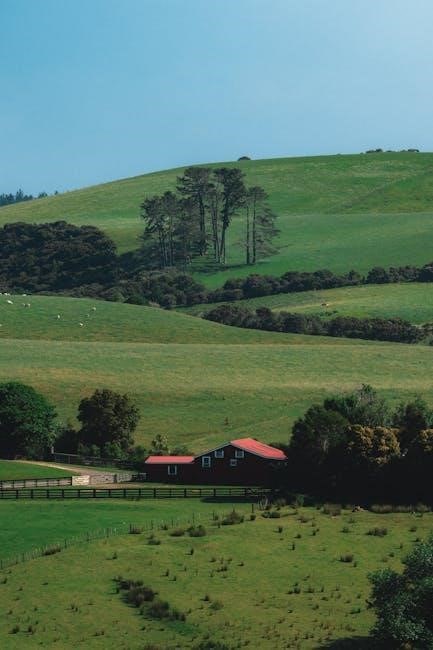
Extending Your Trip
Enhance your New Zealand adventure by combining cycling with exploring national parks, enjoying penguin viewing, or indulging in other thrilling activities.
Combining Cycling with Other Activities
New Zealand offers a wealth of experiences beyond its cycling trails, making it ideal for a multi-activity holiday. Consider incorporating a thrilling quad bike adventure along the Cable Bay coastline, exploring natural forests and farmland. For nature enthusiasts, a visit to Fiordland National Park is a must, perhaps undertaking the renowned Milford Track – a 4-day, 53.5km hike through breathtaking scenery.
Alternatively, explore the diverse landscapes of Los Angeles with a hop-on, hop-off bus tour, or find tranquility in Lower Normandy at Les Rives de Bel Air. Don’t miss the opportunity for guided evening penguin viewing on the Otago Peninsula, Dunedin, offering a unique wildlife encounter. These additions will create a truly unforgettable New Zealand journey.
Exploring New Zealand’s National Parks
New Zealand’s national parks provide incredible opportunities to extend your self-guided bike tour experience. Fiordland National Park, home to the famed Milford Track, offers stunning fiords, waterfalls, and rainforests – a hiker’s paradise. Abel Tasman National Park, a coastal gem, presents golden beaches and turquoise waters, perfect for kayaking or simply relaxing.
Beyond these, explore the diverse landscapes of other parks, immersing yourself in unique ecosystems. Consider combining cycling with shorter walks within the parks, discovering hidden trails and panoramic viewpoints. Remember to research visitor experiences and services available within each park to enhance your adventure and plan accordingly for a truly immersive experience.
Penguin Viewing Opportunities (Otago Peninsula)
The Otago Peninsula, near Dunedin, offers a remarkable opportunity to witness wild penguins in their natural habitat. Combine your self-guided bike tour with a guided evening penguin viewing experience – a truly unforgettable encounter. Several tour operators provide access to penguin colonies, ensuring responsible and respectful wildlife observation.
Expect to see Yellow-eyed penguins, also known as Hoiho, one of the world’s rarest penguin species. Remember to book tours in advance, especially during peak season. Cycling the peninsula itself provides scenic routes and potential for spotting other wildlife, creating a well-rounded and enriching extension to your New Zealand adventure.